

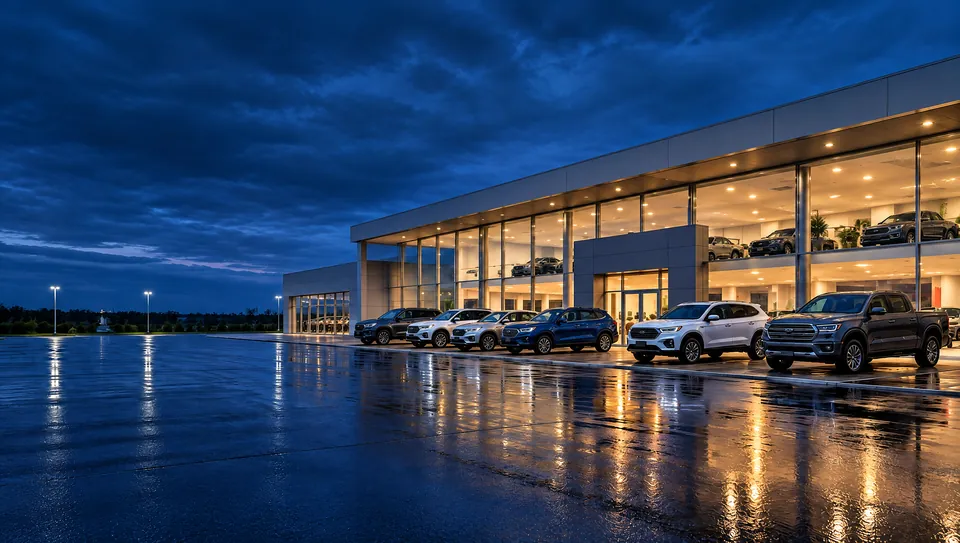
Dealer groups perform better when customers, teams, and systems stop working in silos.
We build custom solutions that connect sales, customer engagement, appointments, service, data, and operations, automating what can move faster and building technology where existing systems still leave gaps.
01The challenge
The problem is not always a lack of technology. Often, it is what happens between one tool and the next.
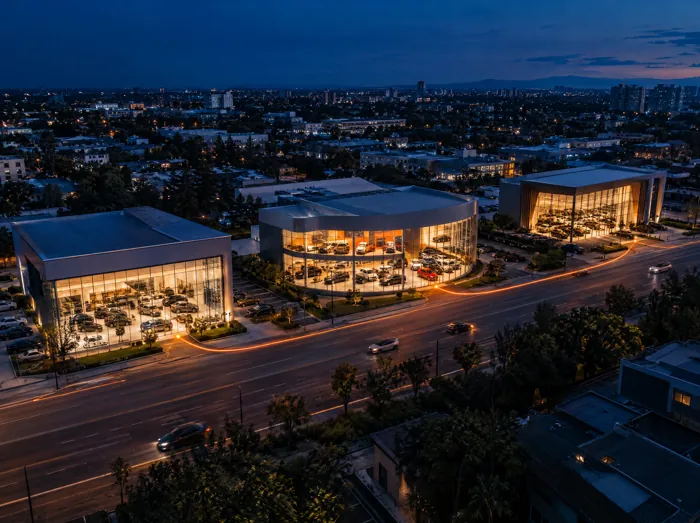
Dealer groups already manage different brands, teams, stores, and systems at the same time. The challenge is making all of them work as one connected operation.
Yet important parts of the customer journey still depend on manual processes, team handoffs, and information that does not always follow the customer from one step to the next.
-
A lead comes in, but still needs to become an appointment.
-
The appointment needs to turn into a visit.
-
The opportunity needs to move forward without losing context.
-
Service needs to make better use of available capacity.
-
And leadership needs to understand what is happening across the group, even when each rooftop operates differently.
The opportunity is to make what the dealer group already has work better together.
02Where performance slips
Where performance can slip through the cracks
-
Responding to a lead is not the same as getting the customer to an appointment.
The first response solves only one part of the journey. The customer still needs to be understood, qualified, guided, scheduled, confirmed, and kept engaged until the visit. When every step requires another handoff, another person, or another tool, friction builds exactly where interest should be turning into action.
-
Every rooftop can perform well on its own and the group can still lack a clear view of the business.
Dealer groups that have grown over time or through acquisitions often operate with different systems, processes, and lead sources across locations. That diversity is not the problem. The problem begins when it becomes difficult to compare performance, follow the customer journey, and understand what happens between lead capture, appointment, visit, and sale.
-
A full schedule does not necessarily mean a more efficient service operation.
Service performance is not only about generating appointments. Technician availability, job duration, shop capacity, priority, parts, margin, and advisor workload all matter. Filling the calendar without considering those variables can simply move the bottleneck somewhere else. The real opportunity is to make better use of the capacity already available.
-
A deal can move surprisingly far before the team discovers the numbers do not work for the customer.
Vehicle price, monthly payment, down payment, trade-in, and financing all influence the buying decision. When that context appears too late, the team may spend valuable time moving forward with an opportunity that was misaligned from the start. Bringing some of that information into the journey earlier gives the sales team better context before the negotiation advances.
-
Manual work still exists between systems that already contain the information.
Data leaves the CRM and ends up in a spreadsheet. Someone checks another platform to confirm availability. Another employee manually updates a status somewhere else. The problem is not simply having multiple systems. It is how much work is still required to make those systems participate in the same customer journey.



03What we build
Technology creates value when it removes steps instead of adding another one.
We do not start by asking where AI can be added. We start by identifying where customers, teams, and information encounter friction.
- How long does it take to move from lead to appointment?
- How many opportunities stop before the visit?
- Where does a salesperson need to rebuild a conversation that already happened?
- Which stores perform better?
- How effectively is service capacity being used?
- How much administrative work still consumes the time of sales teams, BDCs, and service advisors?
The solution starts with those answers.
From lead to appointment with less friction
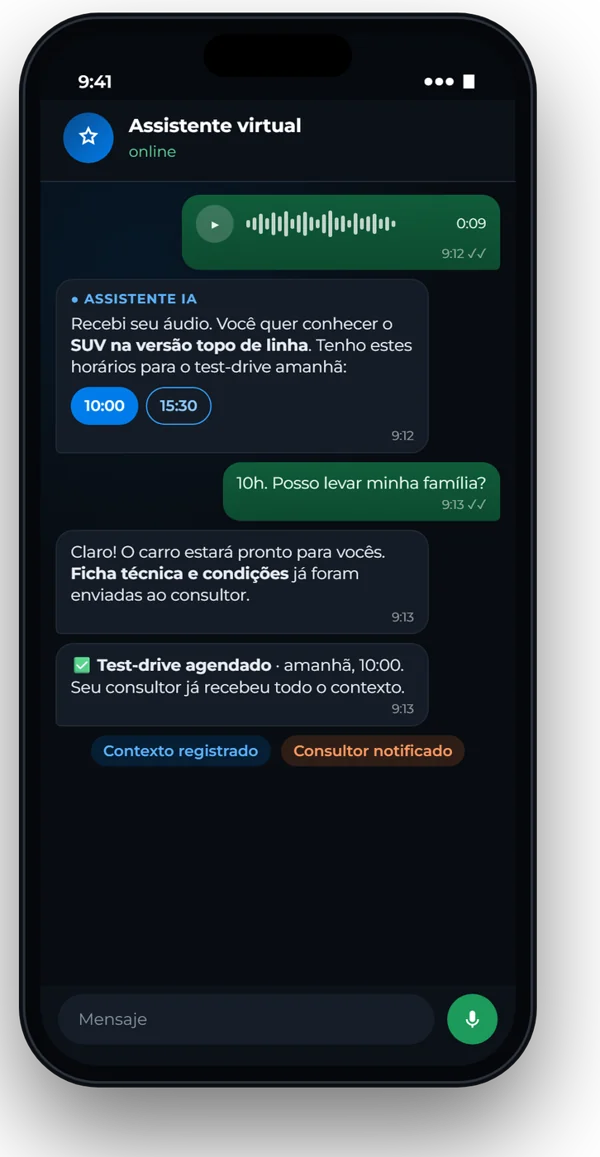
AI can engage the customer immediately, understand intent, collect information, qualify the opportunity, answer questions, and move toward scheduling when availability is accessible. The customer does not need to wait for someone to become available before taking the next step. When a team member takes over, the context is already there.
A consistent experience throughout the journey
The conversation can continue across different stages without forcing the customer to repeat information. When the operation requires it, the same experience can also support multiple languages while preserving context through the handoff to the team. Multilingual support is simply another capability within the journey, not a separate experience.
A clearer view of the funnel without replacing the existing stack
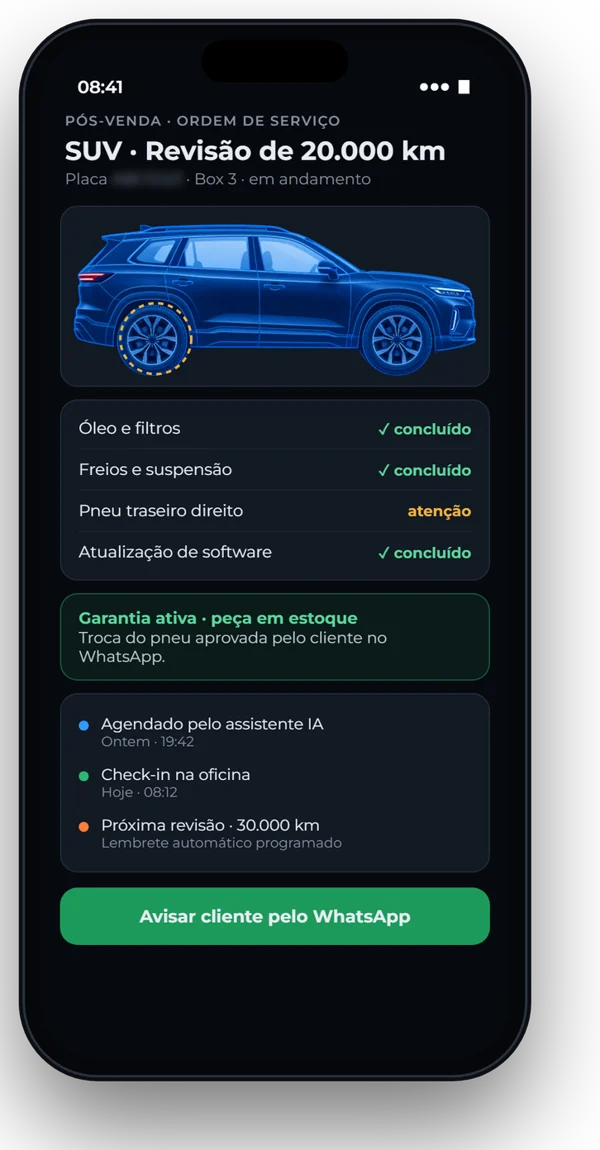
When rooftops use different systems, we can create a layer that connects the events and data that matter across the journey. Leadership can track response times, appointments, stages, and conversion without forcing every store to operate on the exact same technology.
Service scheduling based on real capacity
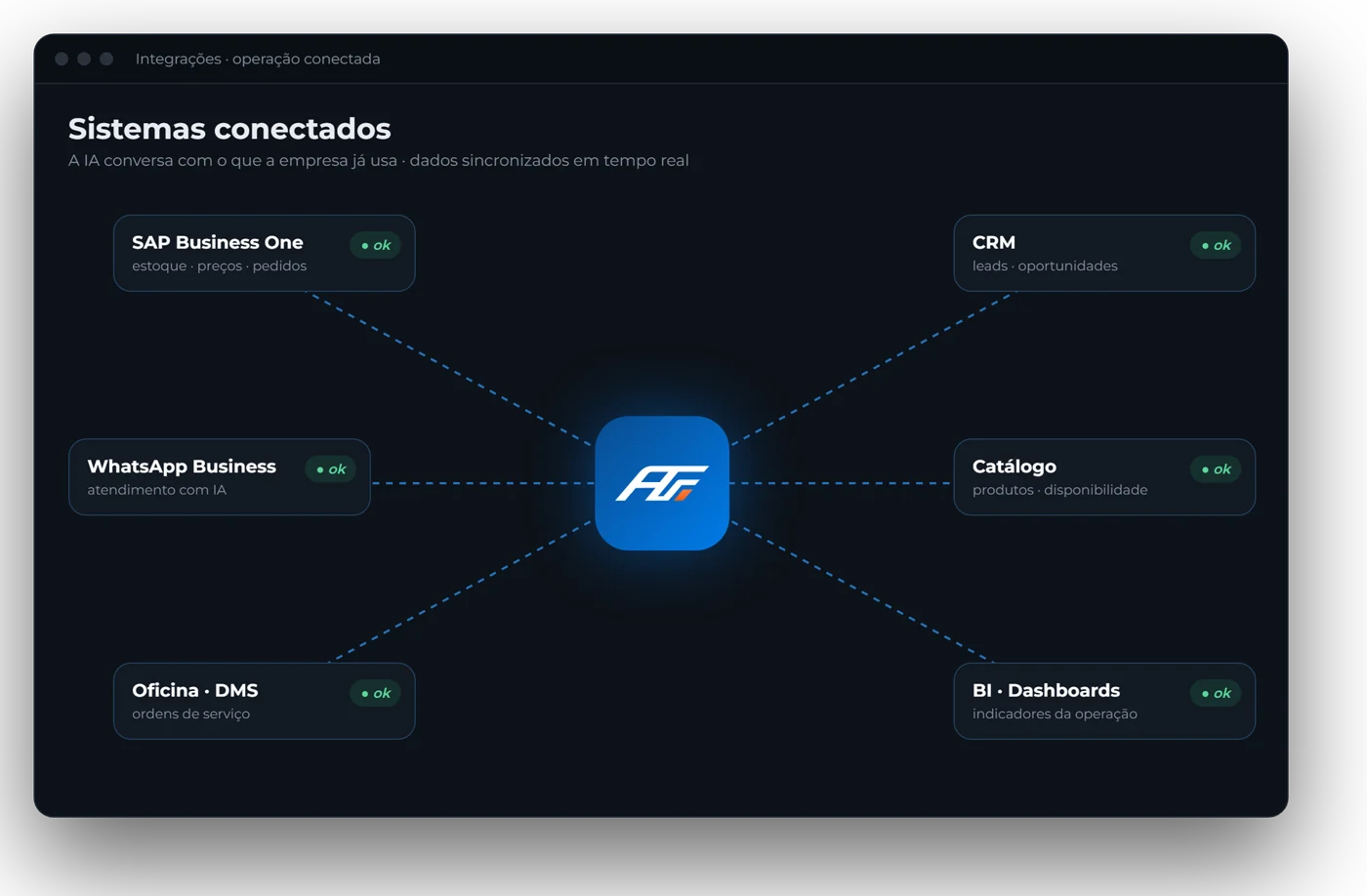
Appointments can take into account availability, service type, duration, priority, and other rules defined by the group. The goal is not simply to fill the calendar. It is to use available capacity more effectively and reduce the administrative work that takes time away from service advisors.
Better context before the negotiation moves forward
Budget, payment range, trade-in, financing, and other relevant information can enter the journey earlier when it makes sense for the operation. That allows opportunities to reach the sales team with more context without trying to replace the role of the salesperson or the finance process.
Systems built for the processes standard software does not solve
Some operational gaps will not be fixed by changing a CRM setting. When a dealer group has a specific need, we can build integrations, automations, dashboards, or complete systems around that process.
The goal is not to put AI everywhere. It is to remove friction where it costs time, capacity, or conversion.
Discuss an operational bottleneck
04Service
Service growth can also come from making better use of what you already have.
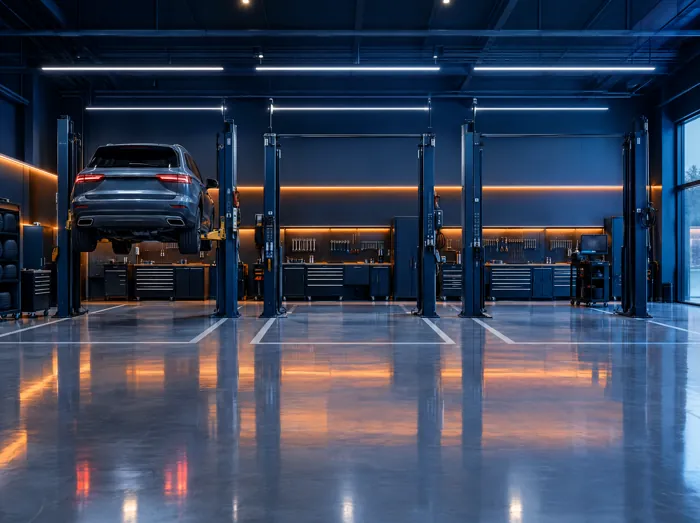
Service is one of the most valuable parts of the dealership business, but it faces a different constraint than vehicle sales. Generating more demand does not help if the shop does not have the capacity to handle it.
Technology applied to service should help the operation connect scheduling, technician capacity, job type, available time, and customer return opportunities. It can support reminders and retention campaigns, simplify scheduling, reduce manual work for advisors, and help direct demand toward the capacity the operation can actually serve.
The opportunity is not only to bring in more customers. It is to get more value from every available hour.
Explore opportunities in service05AI visual production
Marketing also needs to keep up with the speed of the business.
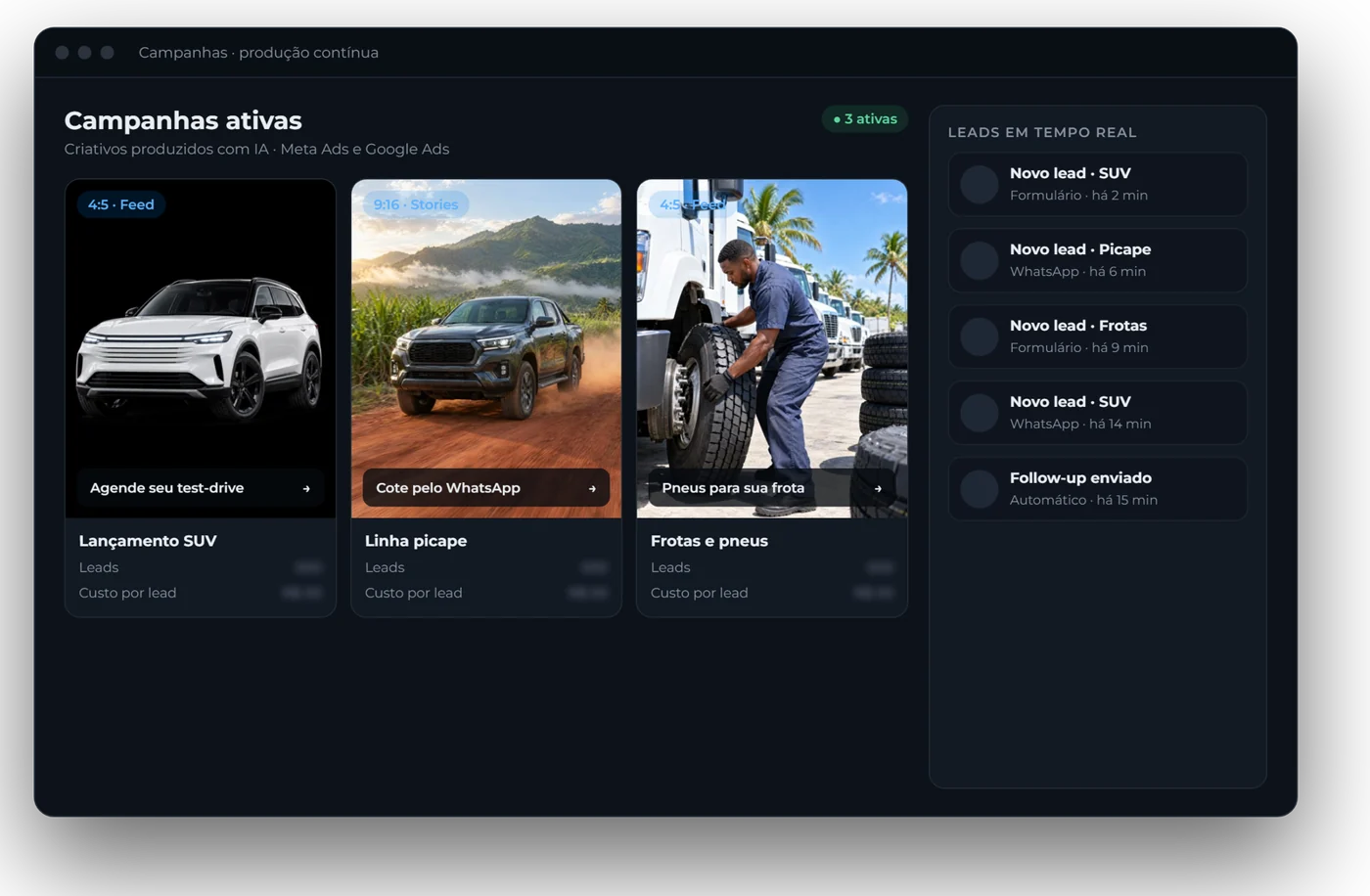
Dealer groups constantly need campaigns, offers, launch materials, new inventory content, used inventory content, social assets, and creative for different rooftops. Traditional production does not always move at that pace.
That is why Autifex also applies AI to automotive visual production.
-
 01
Production that moves with inventory
Creative can adapt to changing inventory, offers, and commercial priorities without requiring a traditional production process for every new need.
-
 02
More outputs from one creative direction
A single concept can expand into paid media, social, CRM, digital, and rooftop-specific formats while maintaining visual consistency.
-
 03
New and used inventory move at different speeds
Production can adapt to the needs of each type of inventory while maintaining creative direction, review, and quality control.
-
 04
Brand identity and product fidelity remain part of the approval process
Brand guidelines, vehicle design, finishes, proportions, colors, and relevant product details remain part of the work.
Visual production only becomes faster when speed does not come at the expense of control.
Explore visual production for my group06Systems
Your dealer group does not need to replace its tech stack to move forward.
DMS, CRM, and other platforms already carry years of data, processes, and integrations. Some tools are selected by the group. Others are required by OEMs. Others came with an acquisition.
Replacing everything is not our starting point. We first understand which systems participate in the journey, where the data lives, what each platform allows, and where the real gaps are. From there, we connect what can be connected, automate what can become more efficient, and build what does not yet exist.
-
We integrate
what already works.
-
Automate
what can evolve.
-
Build
what does not yet exist.

07Architecture & security
Customer data deserves an architecture as serious as the experience built on top of it.
When a solution accesses CRM, DMS, or other operational data, security cannot be an afterthought. Architecture, permissions, access, retention, and governance need to be defined according to the project and the requirements of the dealer group.
When infrastructure and integrations allow, solutions can be designed in dedicated environments with greater control over how the group’s data is handled. The right implementation depends on the technical context and policies of each operation.
Customization should never come at the expense of data control.
Talk about architecture and security08Real case · Automotive operation · Dominican Republic
A partnership can start with one process and expand across the operation
In an automotive company in the Dominican Republic, our work has expanded across different areas of the business, including communication, acquisition, customer engagement, data, automation, and systems.
Today, four custom-built applications are in production.

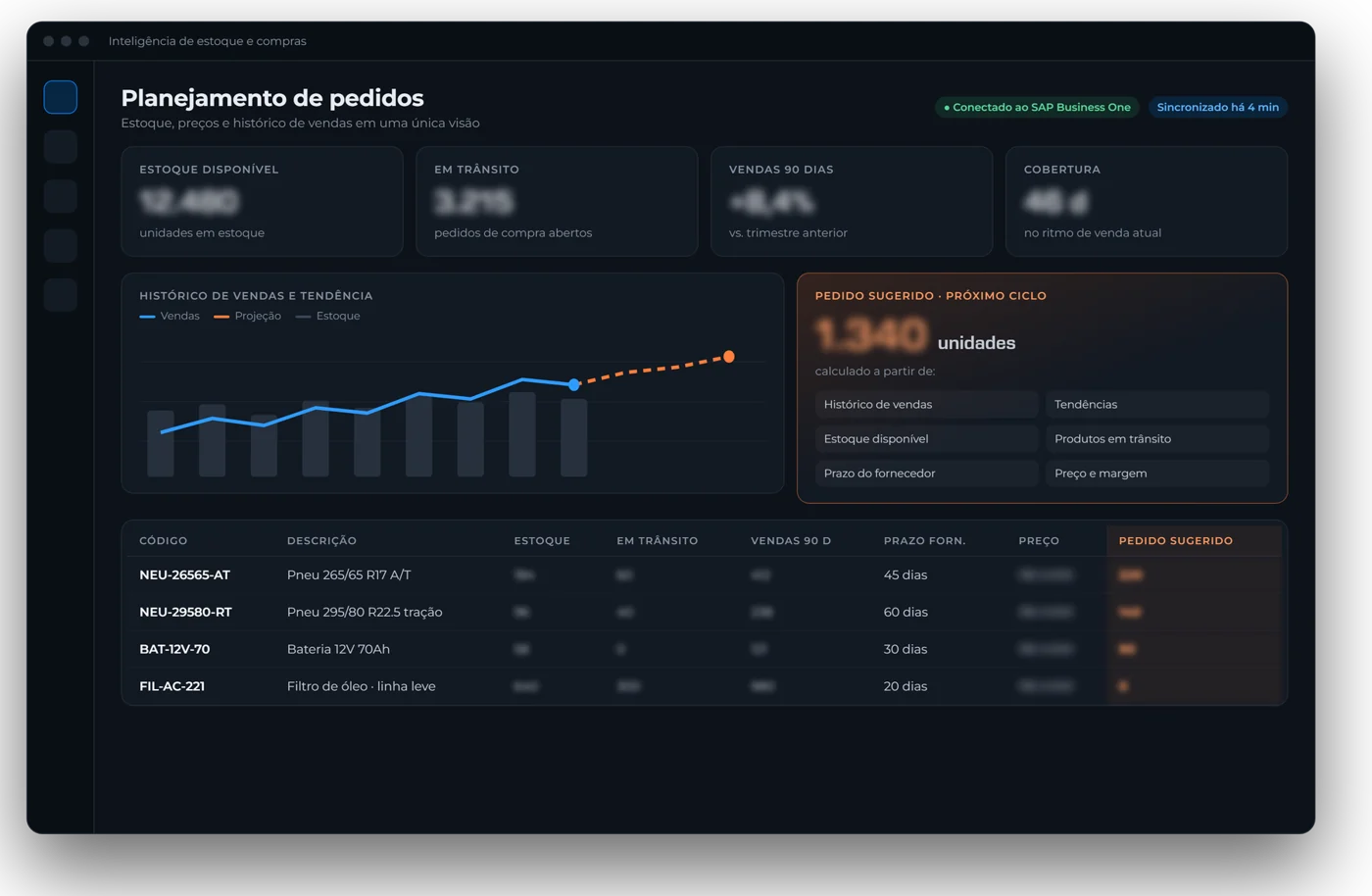

- 01
Inventory, pricing & purchasing
Connects inventory, pricing, sales, and purchasing planning with SAP Business One.
- 02
Technical operations
Organizes inspections, warranties, and services.
- 03
Digital catalog
Connects products and availability to the commercial journey.
- 04
Intelligent customer engagement
Handles quotes, inquiries, and appointments through WhatsApp, transferring the conversation to a person when needed.
The partnership also includes marketing and visual production. The context is not the same as a U.S. dealer group. What this case demonstrates is how far a partnership can go when technology is built around real operational problems instead of a predefined package.
The value is not in how many tools were built. It is in how many parts of the business started working better together.
Explore the full case09How we work
We do not sell one tool for every problem.
Dealer groups already have enough vendors. Our work starts by understanding where there is a problem that actually deserves a new solution.
- 01
We understand the real journey
We map lead sources, customer engagement, CRM, DMS, BDC, sales, appointments, service, and the points where people or information need to move across systems.
- 02
We identify where the impact is
We prioritize bottlenecks that affect conversion, appointments, capacity, margin, customer experience, or team time. Not everything needs AI. Not everything needs to be automated.
- 03
We build on the existing operation
Integrations, automations, and systems are developed around the current stack, the limitations of each platform, and the processes that need to keep working.
- 04
We validate with the people who actually use it
Sales teams, BDCs, service advisors, and managers should feel that technology removed work, not created another obligation.
- 05
We evolve with the group
New rooftops, acquisitions, system changes, and new processes create new needs. The technology needs to be able to evolve with them.

10Next step
Where is your dealer group still losing performance?
- It may be between the lead and the appointment.
- In an opportunity that loses context before reaching the salesperson.
- In a deal that advances without enough information.
- In service capacity that could be used more effectively.
- Or in data that still needs to be moved manually between systems.
- It may also be a process so specific that no off-the-shelf solution has solved it properly.
Tell us the context. Let’s identify where technology can create real impact in your operation.
Form sent
We received
your context.
Thank you. The AUTIFEX team will read what you wrote and get back to you by email or phone.
Demo mode: the submission endpoint is not configured yet, so no data was sent.