


Your brand generates the demand. Can you see what happens when it reaches the network?
We connect data, customer engagement, and processes to provide more visibility into the journey between the opportunity the brand creates and the result at the point of sale.
01The challenge
You control the brand. You do not always control what happens after it.
Communication can be national. Media can be centralized. The lead can be born inside the automaker’s own campaign.
But the real experience keeps happening at dozens or hundreds of different points. Each dealership has its own team, its own processes and, often, its own systems. It is in this space between brand and network that part of the visibility gets lost.

The investment generates demand, but the brand does not always know how long the lead took to be answered.
The campaign ends, but the link between media and sales remains hard to see.
The customer buys, but maintenance, recalls, satisfaction, and relationship depend on execution at the point of sale.
The network grows, but the data does not always grow with it.
The larger the operation, the more important it becomes to connect what today works as separate parts.
02Between brand and network
What can get lost between brand strategy and network execution
-
The lead leaves the brand and can get lost at the point of sale.
The automaker invests to generate the opportunity, but does not necessarily control the first contact that happens afterwards. Response time, continuity, and quality of engagement come to depend on the execution of each point in the network.
-
The dealership funnel can still be a black box.
The sale happens at the point of sale. When each dealership operates with its own structure, consolidating the path between lead, engagement, opportunity, and sale becomes a difficult task. The brand receives numbers. It does not always receive context.
-
A new network needs to operate like a mature one from day one.
Expanding points of sale is one thing. Making all of them work with process, follow-up, and visibility from the first months is another. The faster the network grows, the greater the risk that the commercial process grows in a fragmented way.
-
Aftersales depends on the network to happen.
Recalls, maintenance, service campaigns, satisfaction surveys, and customer relationship do not end when the brand launches an action. They depend on the execution of each point. When this is not tracked in a consolidated way, the brand finds out late where the journey stopped.
-
The budget is national. Conversion happens locally.
Campaigns can generate thousands of interactions and opportunities. The challenge is understanding what happened to them afterwards. Without a more connected reading of acquisition, engagement, and sales, increasing investment does not necessarily increase the ability to see the result.
-
Price and margin can also get lost between strategy and the point of sale.
The brand works on positioning, suggested pricing, campaigns, and incentives. The real negotiation happens at the dealership. When that distance grows, discounts, inventory, and competitive pressure can compromise the commercial strategy on both sides.
03What we build
The brand sees better when the journey stops working in parts.
We do not start from an off-the-shelf tool. We start from the questions the operation needs to be able to answer.
What happened to each lead sent to the network?
How long did it take until the first contact?
Which dealerships are converting best?
Where are opportunities stalling?
What happened after the sale?
Which customers should be coming back for maintenance?
What are media, customer engagement, and sales saying together?
Based on these needs, we build solutions that can act at different points of the operation.
-
Funnel view and network performance
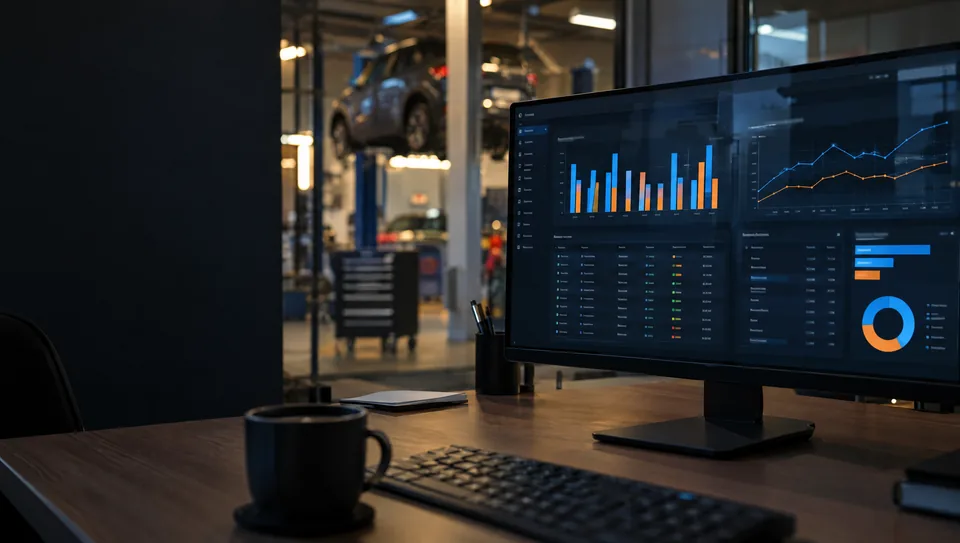
We connect information so the brand can follow the path between demand generation, engagement, opportunity, and results at the point of sale. SLAs, alerts, and indicators can help identify where the journey is losing speed before the problem only shows up at month-end close.
-
Customer engagement and commercial continuity
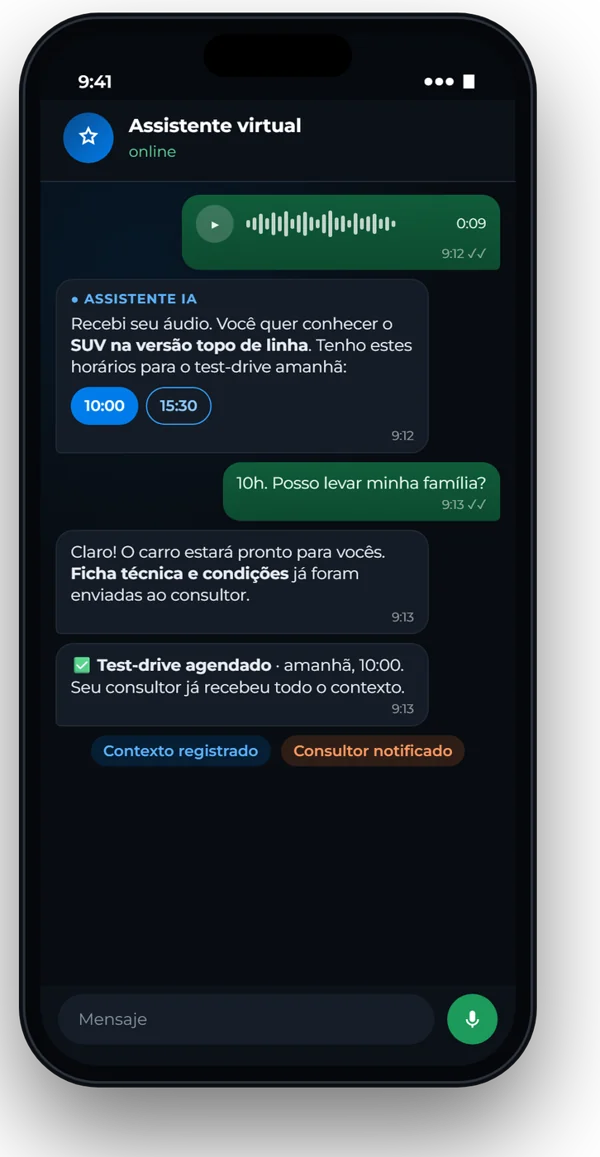
Intelligent solutions can start conversations, understand context, record information, route opportunities, and keep the journey moving until a person needs to take over. Not to replace the salesperson. To make sure they receive a more organized opportunity, with context.
-
Aftersales and relationship
Appointments, maintenance campaigns, recalls, satisfaction surveys, and relationship journeys can gain new layers of automation and follow-up. The network executes. The brand gains more capacity to track.
-
Data, media, and decisions
When acquisition, engagement, and results start talking to each other, performance analysis no longer ends at the lead. We create structures to connect information and turn scattered data into a more useful view for those who need to decide.
-
Pricing and margin
When this is the problem, we can also build solutions to track commercial rules, discounts, inventory, and negotiation dynamics in a more structured way. Each operation defines which data needs to go into that equation.
There is no Autifex package for automakers. There is the solution the operation needs.
Talk about my operation04AI visual production
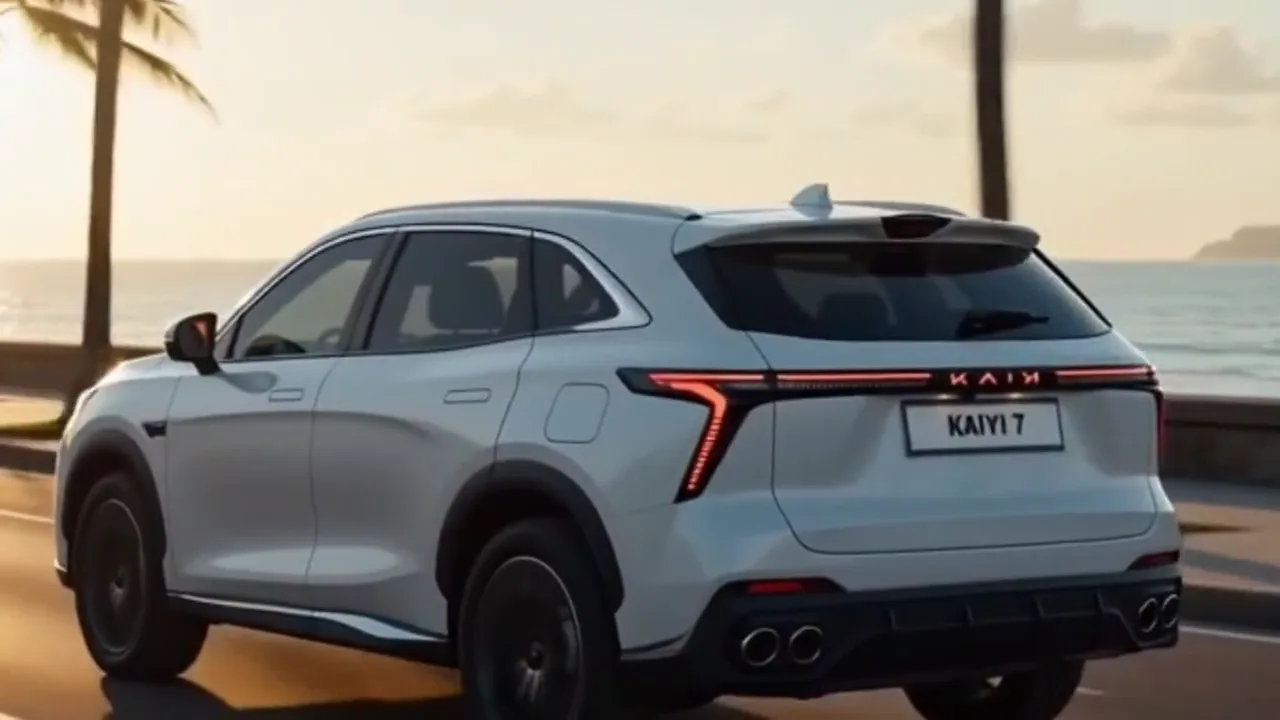
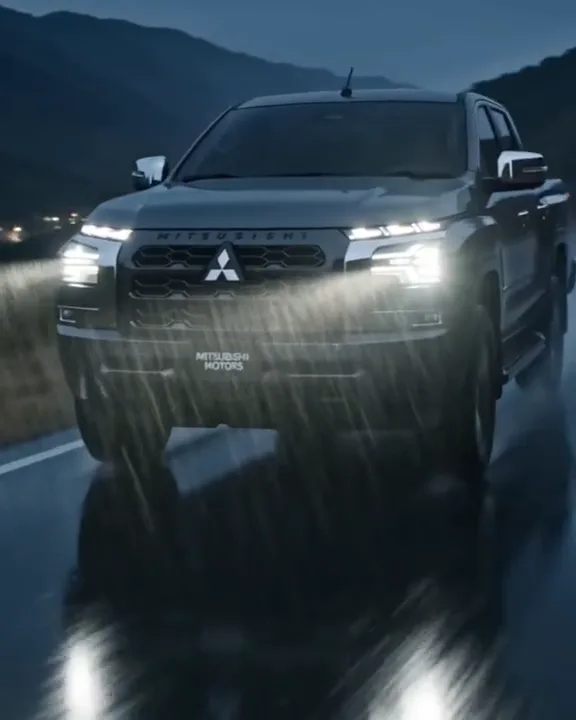
Communication can start before the car arrives in the country.
And there is another front where technology completely changes the possibilities. A launch cannot always wait for the unit to be physically available for a conventional production.
Sometimes the vehicle has not arrived yet. Sometimes the global version is not the same one that will be sold in Brazil. Color, trim, wheels, configuration, and setting may change. And once the main campaign is ready, the network still needs dozens of formats and adaptations.
In this context, AI visual production opens up a new possibility for automotive brands.

Launches with less dependence on the vehicle’s physical availability
The idea can start being built before the full structure of a conventional production is available.
Material designed for the product sold in Brazil
Global references can give way to productions aligned with the version, configuration, and language the brand actually needs to communicate locally.
One creative direction with more room to expand
Campaign, digital, social, media, network, formats, and variations can be born within the same visual logic.
Product fidelity as a project criterion
The freedom of artificial intelligence does not eliminate the need for precision. Proportions, design lines, wheels, lighting, finishes, colors, badges, and other vehicle characteristics go through direction, refinement, and review before approval.
AI expands what can be created. Direction defines what should be communicated.
Discuss a production05Systems
Your operation does not need to replace its systems to evolve.
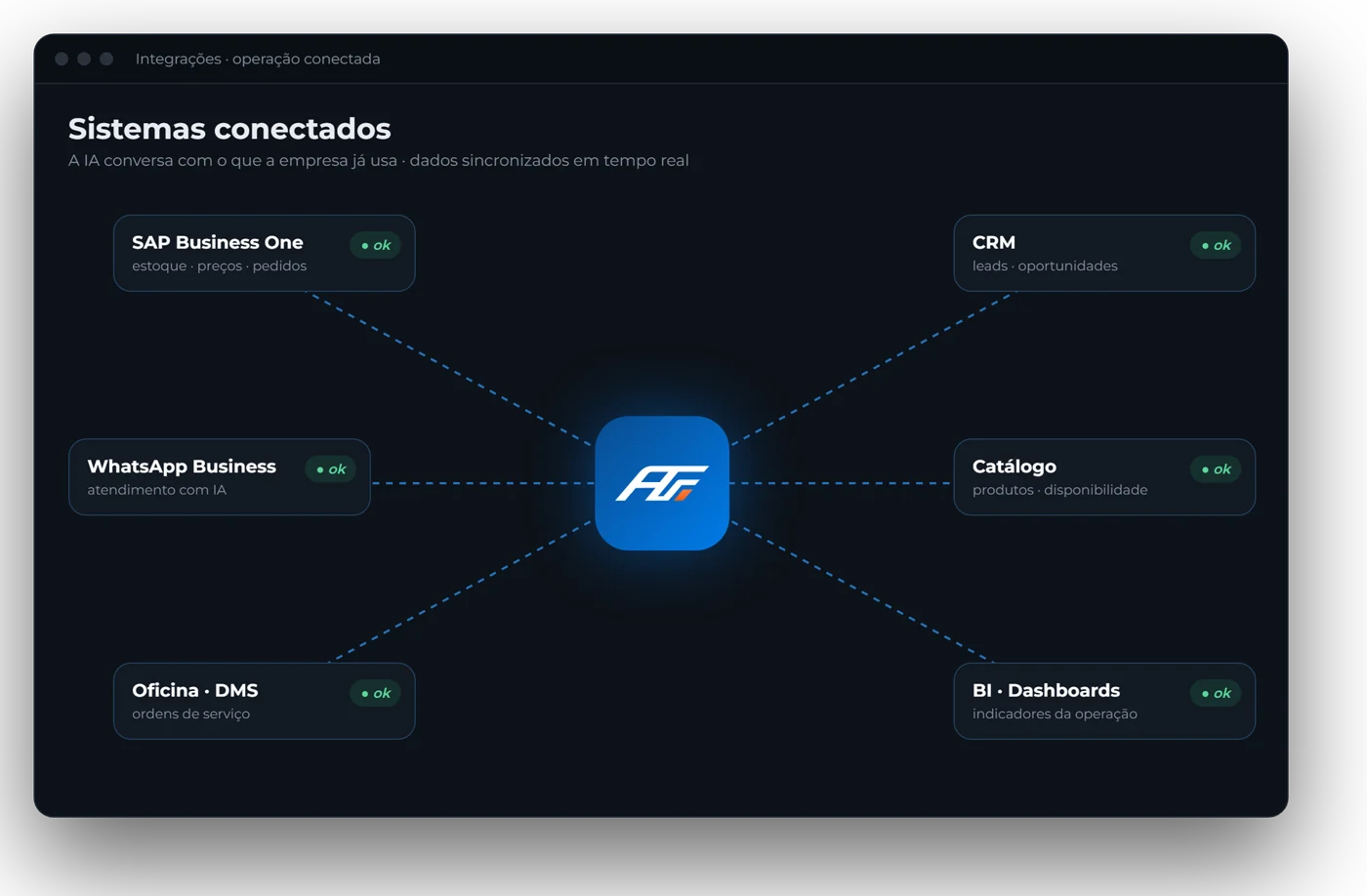
An automaker does not operate on a single platform. An entire network, even less so. That is why our work does not start from the idea of replacing what already works.
We build solutions that can connect to existing systems, data, and processes whenever that is the best answer to the problem. Implementation can respect the current structures of the brand and the network, access rules, governance, approvals, security, legal, and compliance.




-
We integrate
what already works.
-
We automate
what can evolve.
-
We build
what does not exist yet.
The company does not need to fit our technology. Our technology needs to make sense within the company.
06Real case · Automotive operation · Dominican Republic
When communication, technology, and operations start working together
In an automotive company in the Dominican Republic, our work has advanced across different points of the same operation.
Today, four custom-built applications are in production.
- 01
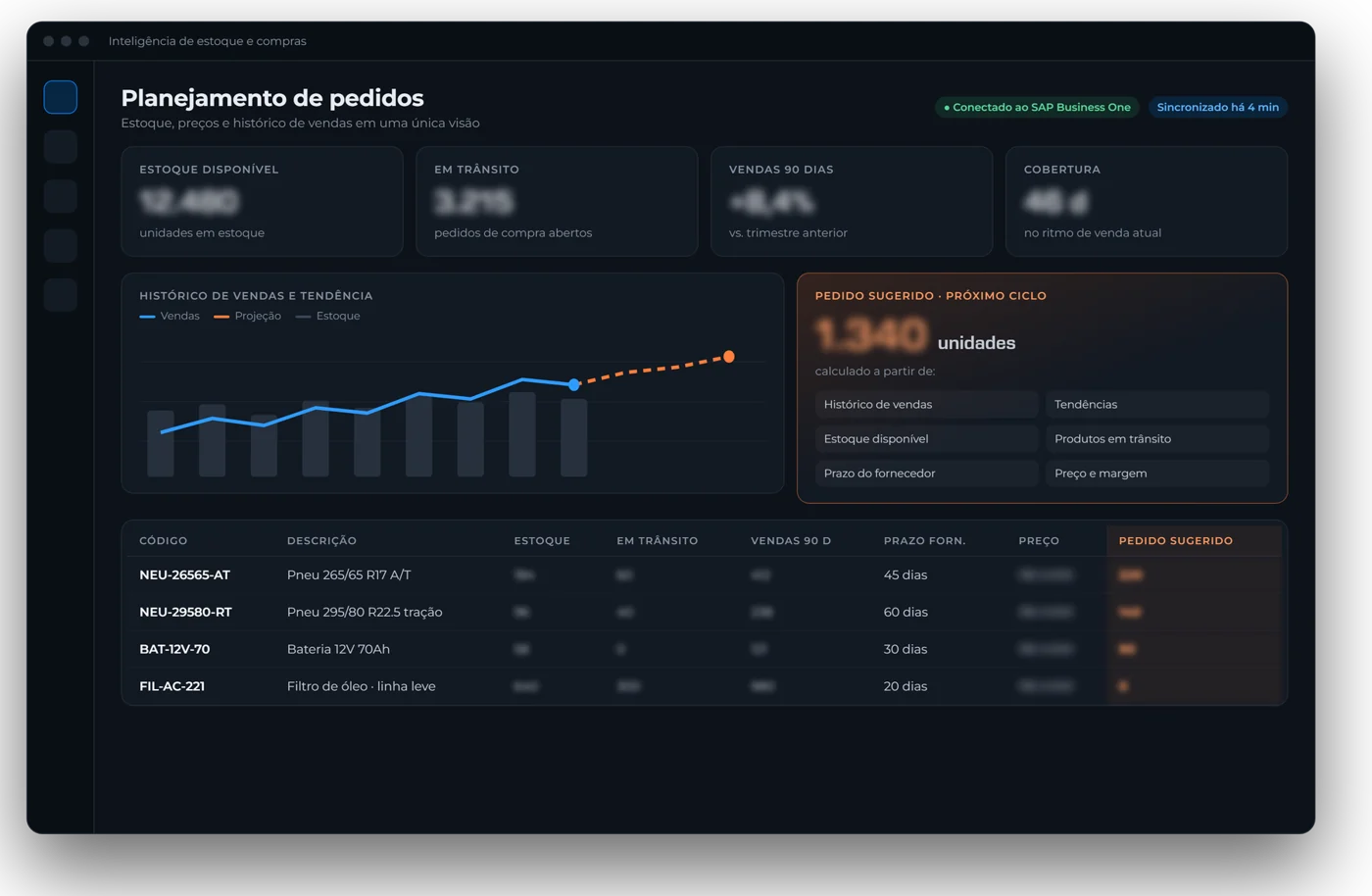
Inventory, pricing & purchasing
Connects inventory, pricing, sales, and purchasing planning with SAP Business One.
- 02
Fleet tires
Organizes inspections, life cycle, warranties, and tire services for fleets.
- 03
Digital catalog
Connects products and availability to the commercial journey.
- 04
Intelligent customer engagement
Handles quotes, appointments, and different journeys through WhatsApp, looking up information and transferring to people when needed.
All of this within the same operational reality.
The point is not how many tools were built. It is how far a partnership can evolve when it starts from the operation’s real problem.
I want to build something similar07How we work
We do not start with software. We start by understanding where the operation needs to work better.
Projects for manufacturers, automakers, and importers involve more than development. There are networks, systems, processes, guidelines, internal teams, suppliers, legal, compliance, and commercial objectives that need to be part of the solution.
That is why our way of working starts with context.
We understand the operation
We map journeys, friction points, existing systems, responsibilities, and objectives.
We design the solution
We define what should be integrated, automated, or built and which areas need to be involved.
We build within the existing reality
Development, integrations, artificial intelligence, and automations are applied to the company’s real process.
We stay close after delivery
Training, support, evolution, and adjustments are part of the relationship. Because technology applied to operations does not end when it goes live.
08Next step
Where is your brand losing visibility today?
- It may be in the lead that reaches the network.
- In the sale that never makes it back into the campaign analysis.
- In aftersales that depends on execution at the point of sale.
- In data scattered across different systems.
- Or in a need that no off-the-shelf tool has been able to solve.
Tell us the context. The solution starts by understanding the problem.
Form sent
We received
your context.
Thank you. The AUTIFEX team will read what you wrote and get back to you by email or phone.
Demo mode: the submission endpoint is not configured yet, so no data was sent.