
When a brand sees its own car in a production made with artificial intelligence, the first question isn't about the lighting, the camera or the setting. It's simpler: is that really my car?
AI has made it possible to place a vehicle on roads, in cities and in landscapes that once would have required a location, logistics and a crew. But that freedom applies to everything around the product. The product itself cannot be reinterpreted.
What cannot change
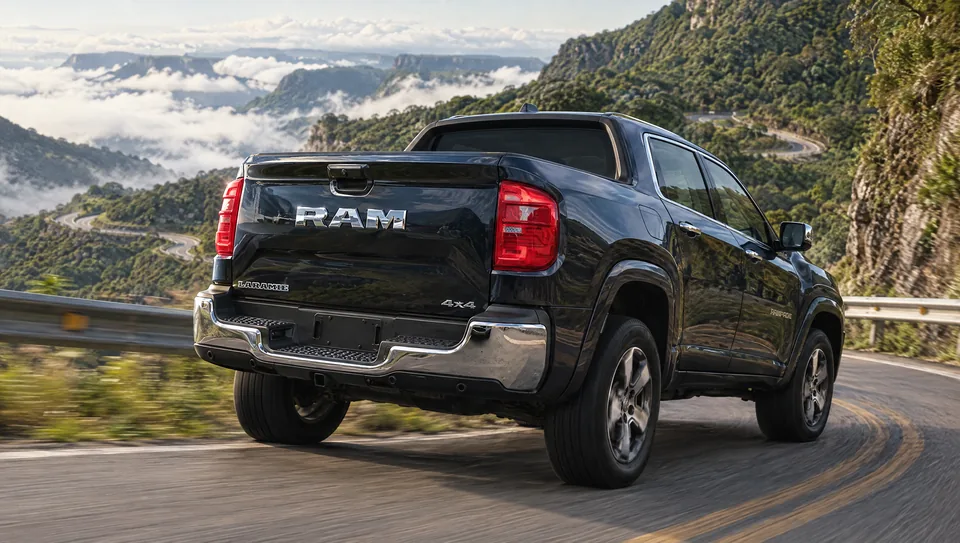
A vehicle is recognized by details consumers may not even be able to name, but notice when they are wrong:
- body proportions, height and wheelbase;
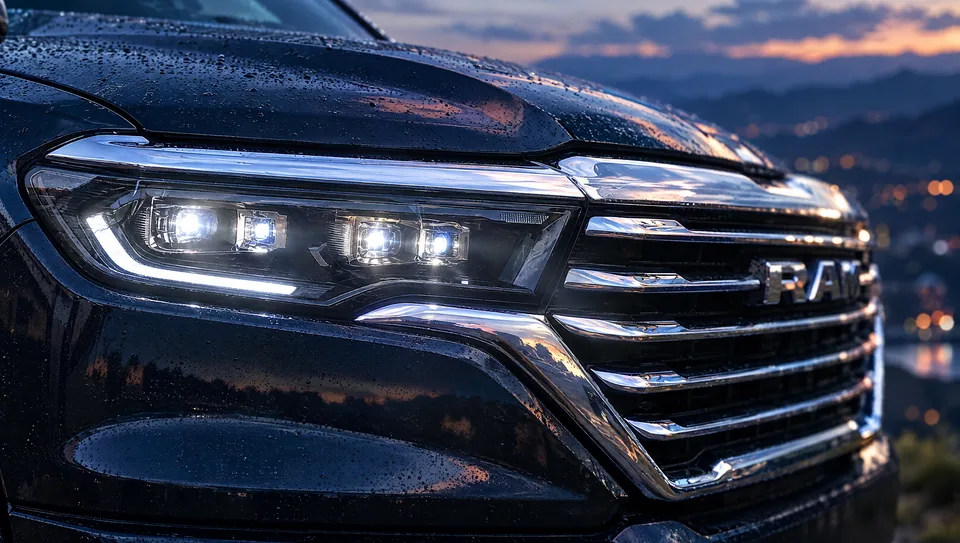
- headlight and taillight signatures;
- the design of the grille, bumpers and side creases;
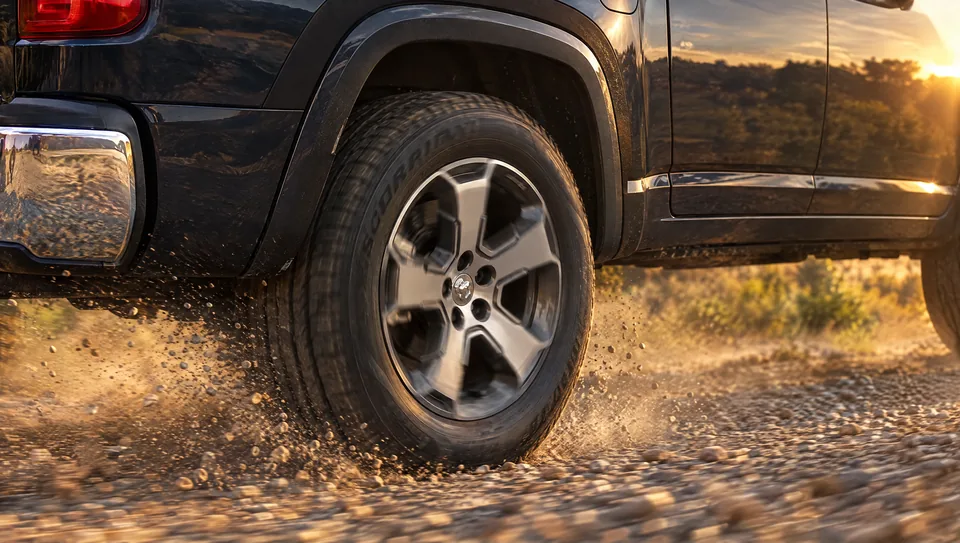
- wheels, tires and the way they turn in motion;
- badges, lettering and trim.
If any of these changes, the piece no longer communicates that model. And a campaign that does not show the real product creates a bigger problem than it solves.
Real references before generating
Fidelity starts before the first image. We start from real photos and information about the model: front, rear, sides and, when needed, close-up crops of headlights, wheels and badges. Those details become the reference for every scene.
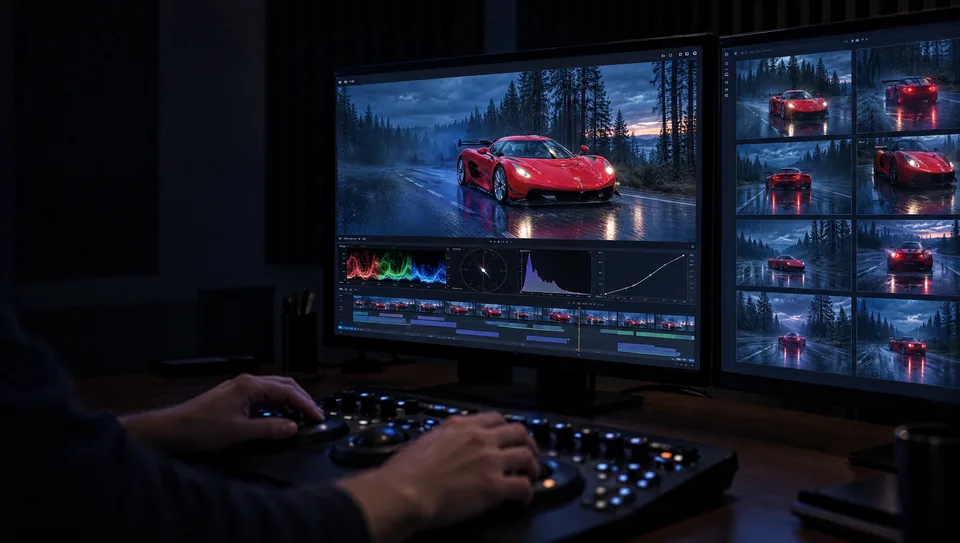
During production, every shot is reviewed. When a wheel deforms, a badge shows the wrong letters or a body line changes, that shot is redone. None of this is an exception: it is part of the process.
Technology expands what can be created around the car. Direction ensures the car stays true to itself.
Physics is fidelity too
It is not enough for the car to look right standing still. In motion, it has to behave like a real vehicle: the suspension works, the body leans into corners, the tires deform where they meet the ground and dust falls with gravity. When those cues are missing, the video looks like animation, even if the design is perfect.