
Every model launch starts with the same pressure: having strong material, in many formats, before the car reaches dealerships. For a long time, that meant relying on photo and video shoots that were long, expensive, and hard to repeat.
Generative AI changed the speed of that process. But it didn't change what makes a campaign work.
More possibilities, earlier
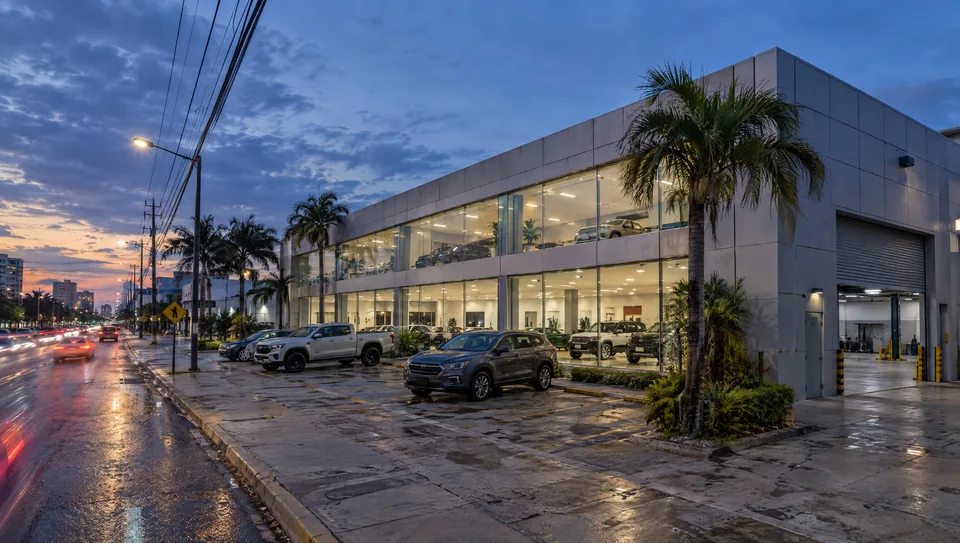
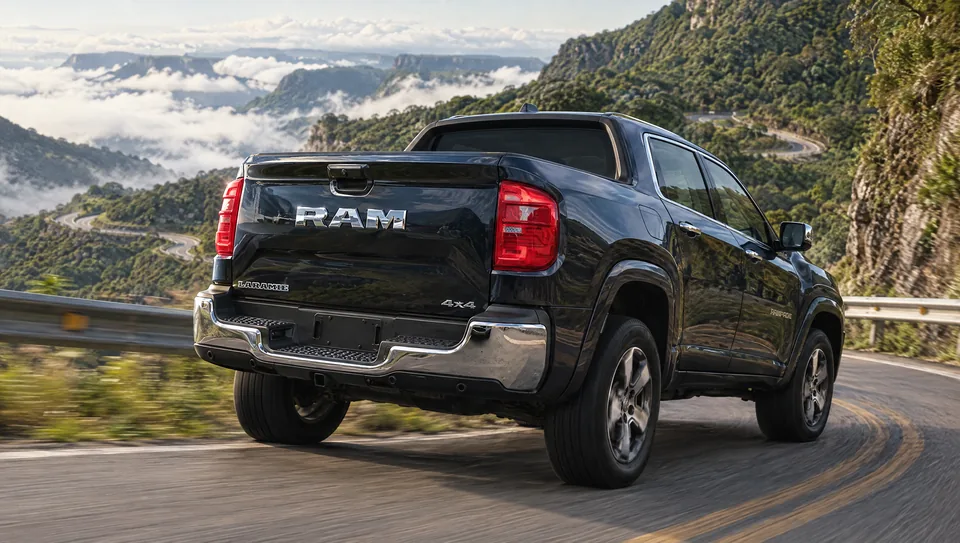
With AI, the creative team can explore settings, lighting, and framing before committing to a direction. A coastal road at sunset, a rainy city at night, a minimalist showroom: you can see all of it before deciding.
That doesn't remove the selection stage. Quite the opposite: with more options on the table, curation becomes even more important.
Product fidelity is non-negotiable
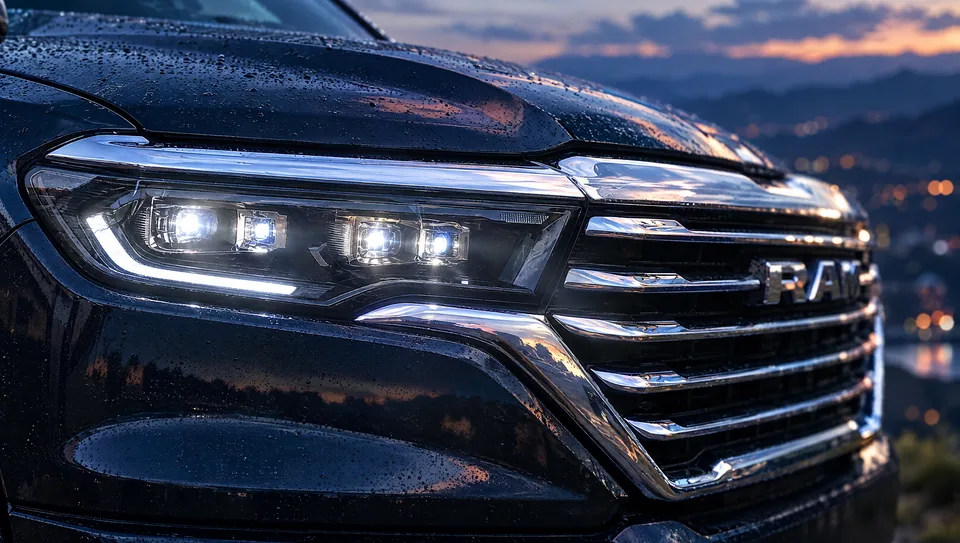
A car with the wrong grille, wheels from another trim, or a color that isn't in the catalog compromises the entire campaign. In AI production, fidelity checks need to be part of the method, not left for the end.
The points that demand the most attention:
- the model's proportions and silhouette;
- headlights, taillights, and lighting signature;
- wheels and finishes for each trim;
- official catalog colors;
- badges and brand details.
The tool generates possibilities. Creative direction decides what reaches the screen.
One asset, every format
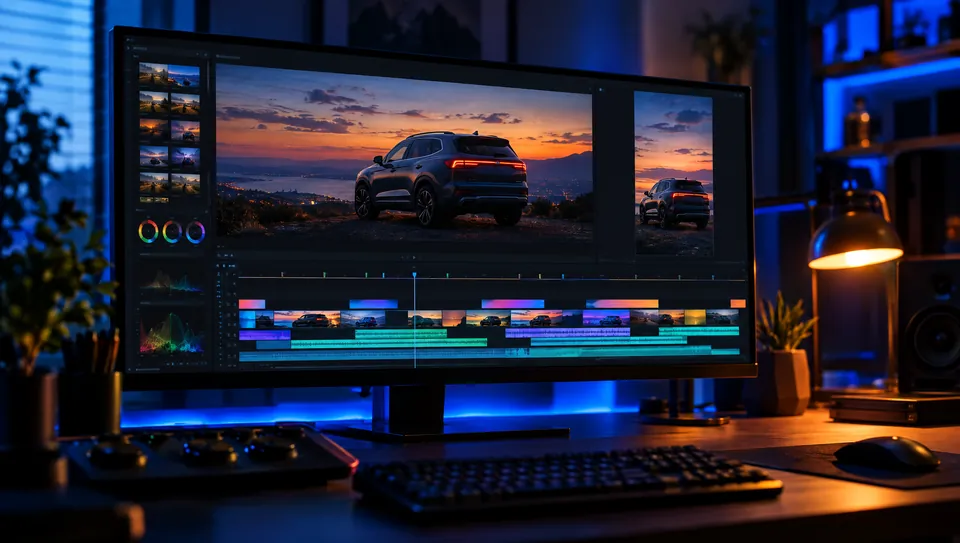
A launch appears at the same time on the website, in ads, in Stories, on in-store screens, and in print. Each placement calls for a format: 16:9, 9:16, 1:1, or 4:5. Planning these crops from the start avoids rushing to adapt a piece that only works in one size.
What stays human
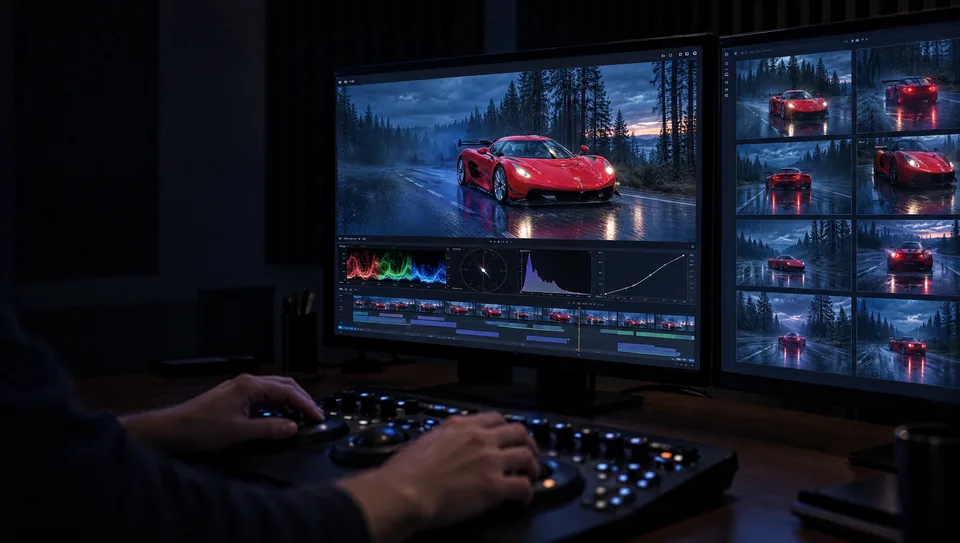
Script, scene selection, editing pace, brand tone, and final approval remain human decisions. AI speeds up execution; direction ensures the result has intent. See the full method in AI Visual Production.